Various images I have just taken.

Noctilucent Clouds just taken. Clickable thumbnails.

From Ashford, Kent, United Kingdom. Times are GMT / UTC not CET / BST. Date is in UK format: DY/MT/YEAR.

Friday 9th July 2010.


Andrew Brown.
Lovely 🙂

That street is very nice, i just wonder, what is that streak in the sky ?

Clouds seem as if painted ..
This is my first attempt at star shooting, using a Nikon D70s DSLR and 85mm f1.8 lens 'piggyback' on an EQ2 mount. 30sec shutter time.
Taken in the 'triangle of light' ie: Belgium, one of the most light-polluted countries in the world 😢
On saturday I leave for a few weeks of vacation in a remote part of France. I hope to bring back better shots 😉

Double cluster in Perseus, 100% crop:


A single shot, not quite sharp and badly damaged by a passing cloud reflecting the highway lights, but I like the trace left by a satellite (120sec, cropped and resized):

WoW 😮 Very nice 😎

I hope you will do more 🙂

I have this funny problem, where i can recognize stars and constellations on photographies and images, but miserably fail to do so when i go out - on those occasions when i remember to, and weather permits, of course.

I have a bit of a light pollution, but it's not that bad, and i can see Milky Way on clear nights.
LOL, I have the opposite problem. Under the night sky, my comfortable environment, the constellations jump out at me. On the lifeless (though great) photographic images, other than the easy ones like Orion, Lyra, Ursa Major and Minor (The Big Dipper or Great Plough, and the Little Dipper), and Gemini, I find it very hard to ID the constellations.
Hi there, I'm back from France where I was blessed with only three cloudless nights in two weeks 🙁
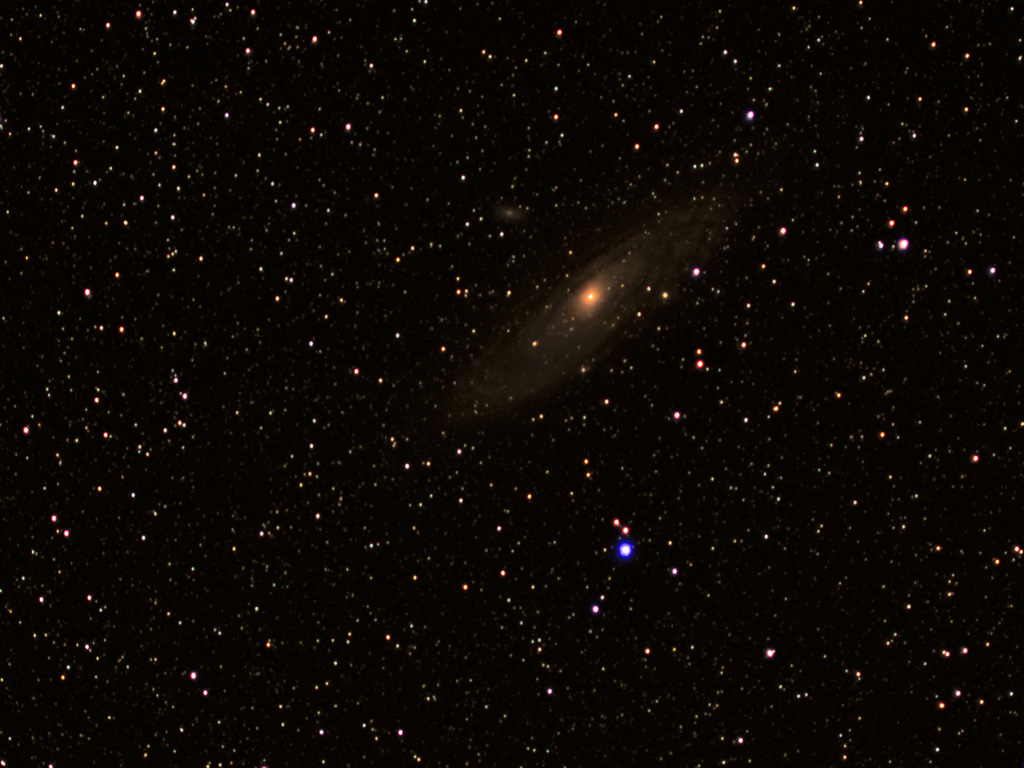
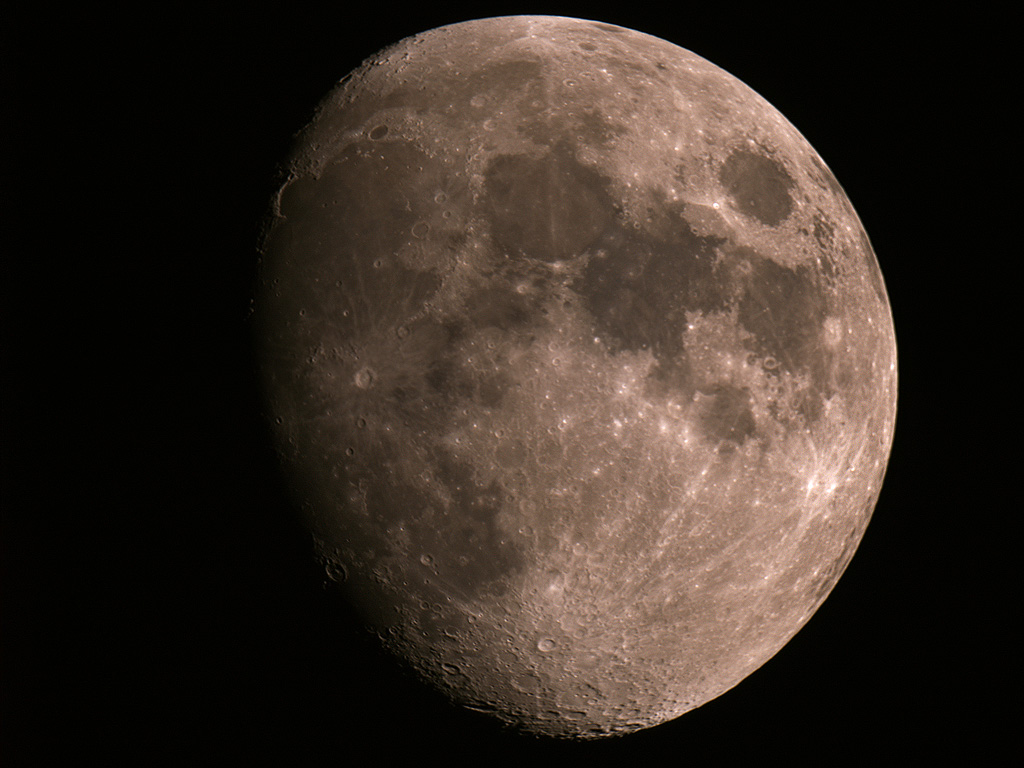
At least the sky was much darker there, so here are the first 2 pictures (out of of 7). More later if you like 😉

M31, the Andromeda galaxy, Nikon D70s and vintage 135mm f3.5 lens piggyback on SkyWatcher 130/900EQ2 :shock: . About 20 shots stacked with DSS.

Full-size image here: http://www.webastro.net/upload/images/1 ... 640865.jpg

The Moon, taken directly from the scope, mosaic of 2 images composed of 20 shots each, stacked with Registax.

Full-size image here: http://www.webastro.net/upload/images/1 ... 641078.jpg

Considering the very basic equipment, I am delighted by the results. Never thought a 200$ Chinese telescope could do that 😀
WOW like those orionrider. Brilliant. 🙂

I have not posted any of my own spam on here for quite some time. :twisted:

Ashford, Kent, United Kingdom. All dates are in UK format DY/MT/YEAR. Times are UTC /GMT, not CET / BST.

All are clickable thumbnails to full size.

Dusk twilight. Monday 30th August 2010.


Waning Gibbous Moon. Tuesday 31st August 2010.


Last Quarter Moon. Wednesday 1st September 2010.


Andrew Brown.
Awesome photography everyone. Really been enjoying them. Keep them coming and keep up the great work! Paul
Andrew, the 747 inbound for the Moon is gorgeous! 😀


Some more...

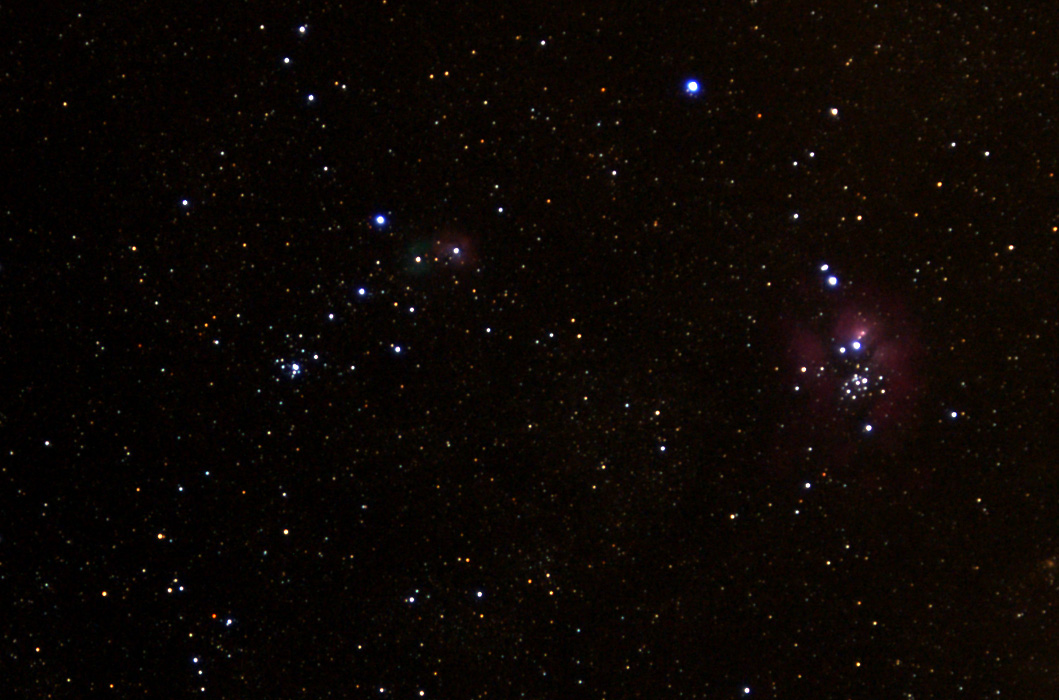
The Trifid (left) and Lagoon nebula's in Sagittarius. Close to the horizon, difficult to picture with a non-modified DSLR.
Please click on the full-size image link, the thumbnail is too wrecked by jpeg compression.
Full-size: http://www.webastro.net/upload/images/14867-1282640904.jpg


Jupiter, yesterday morning. About the best one can squeeze out of a 130/900 beginner's scope without expensive CCD cameras. With a little bit of imagination, you can see the great red storm 😉 . Ganymède is left, Io right. North is up. The very small dark circle at 10hr on the edge of the planet is probably the shadow of Europe, which is invisible on the disk.


This one is NOT mine, of course 😢 This is the absolute best Jupiter picture a so-called 'amateur' can make:

The discussion: http://www.iceinspace.com.au/forum/show ... 304&page=3
Incredible details! The author is an artist 😎
WOW love your photos. We are sort of playing tag, though you have much better equipment. :shock: 😮 :shock: 😮

Anthony Wesley caught Red Spot Junior passing south of the Great Red Spot.

All below taken by me. More SPAM!!!!! :lol: 😮 :shock: :mrgreen:

Ashford, Kent, United Kingdom. All dates are in UK format DY/MT/YEAR. Times are UTC /GMT, not CET / BST.

All are clickable thumbnails to full size.

Friday 3rd September 2010.

Moon this morning on way to work.


Circumzenithal Arc over Ashford, Kent, United Kingdom taken by me this afternoon on way home from work on: Friday 3rd September 2010.


Sun Dog @ sunset.


Dusk.


Plane passing north of Cygnus & Lyra through Draco.


Plane passing through handle or tail of Ursa Major. Familar asterism, Big Dipper or Plough.


Jupiter system taken by me using 40 X magnification, this evening in Ashford, Kent, United Kingdom.

Seen are: Europa, Jupiter, Ganymede & Io in that order left to right.


Andrew Brown.
Wow, those were some spectacular sunset pix. Those were all taken yesterday afternoon/evening? I would have just sat out there with my mouth open for 3 hours!!

Wayne
Hi Wayne, yes all from yesterday afternoon / evening. :mrgreen:

It was incredible, first the Circumzenithal Arc whilst going home, then that fantastic dusk & even Jupiter & moons, well three of them anyway. :mrgreen:

Ashford, Kent, United Kingdom. All dates are in UK format DY/MT/YEAR. Times are UTC /GMT, not CET / BST.

All are clickable thumbnails to full size.

Saturday 4th September 2010.

A few from earlier this afternoon, not as good as yesterday, but still quite nice spam material. :twisted:

Weak Circumzenithal Arc & a nice Sun Dog.


Andrew Brown.
Wow! Nice clouds you've got there. Ours are usually full of rain 😉
This is my absolute favourite: http://s233.photobucket.com/albums/ee18 ... G_1949.jpg
😎
Next batch 😉

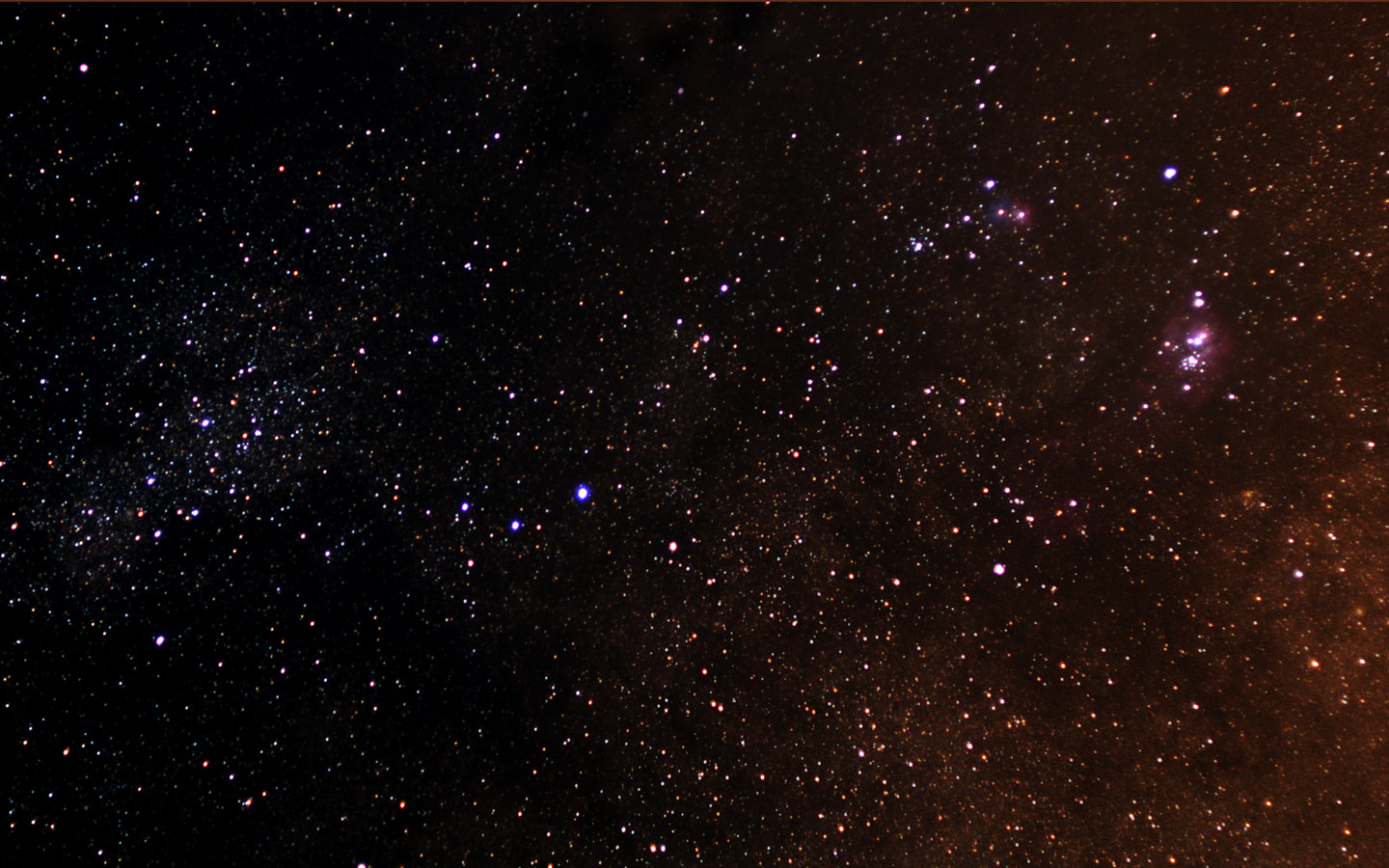
Lagoon and Trifid Nebulas with a bit of the MilkyWay:

Full size image: http://www.webastro.net/upload/images/1 ... 640949.jpg

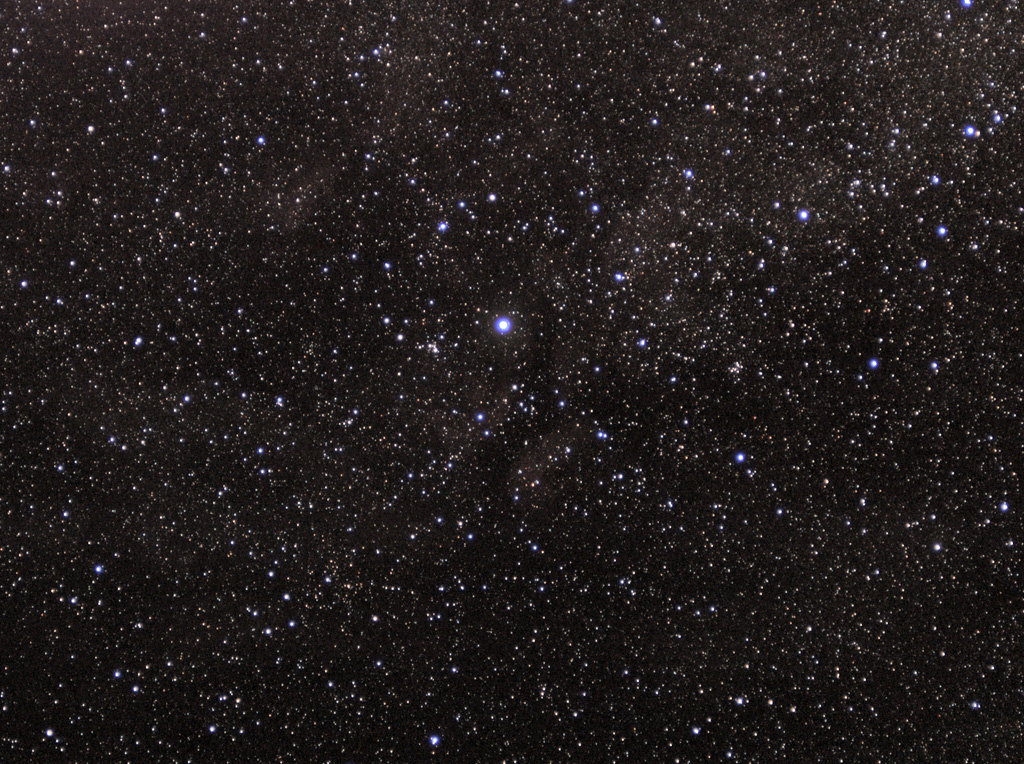
The Deneb region in the MilkyWay:

Full size image: http://www.webastro.net/upload/images/1 ... 640977.jpg
What are you using for a mount? Your stars in the field are very crisp and round for what is some pretty long total exposure times.
This is the SkyWatcher EQ2 mount with the 'toy' motor on the RA axis. The key is a good alignment and speed setting:

1. level the mount using a bubble leveler;
2. align on true north;
3. adjust the speed using a crosshair eyepiece on Deneb or Vega.

The last step can take 15 minutes, but it is essential.
Use a relatively short focal on the DSLR (here a 135mm) and set the shutter on 5 sec countdown to stabilize the mount.
Following this procedure I could go up to 120seconds without problems.

Here is more:

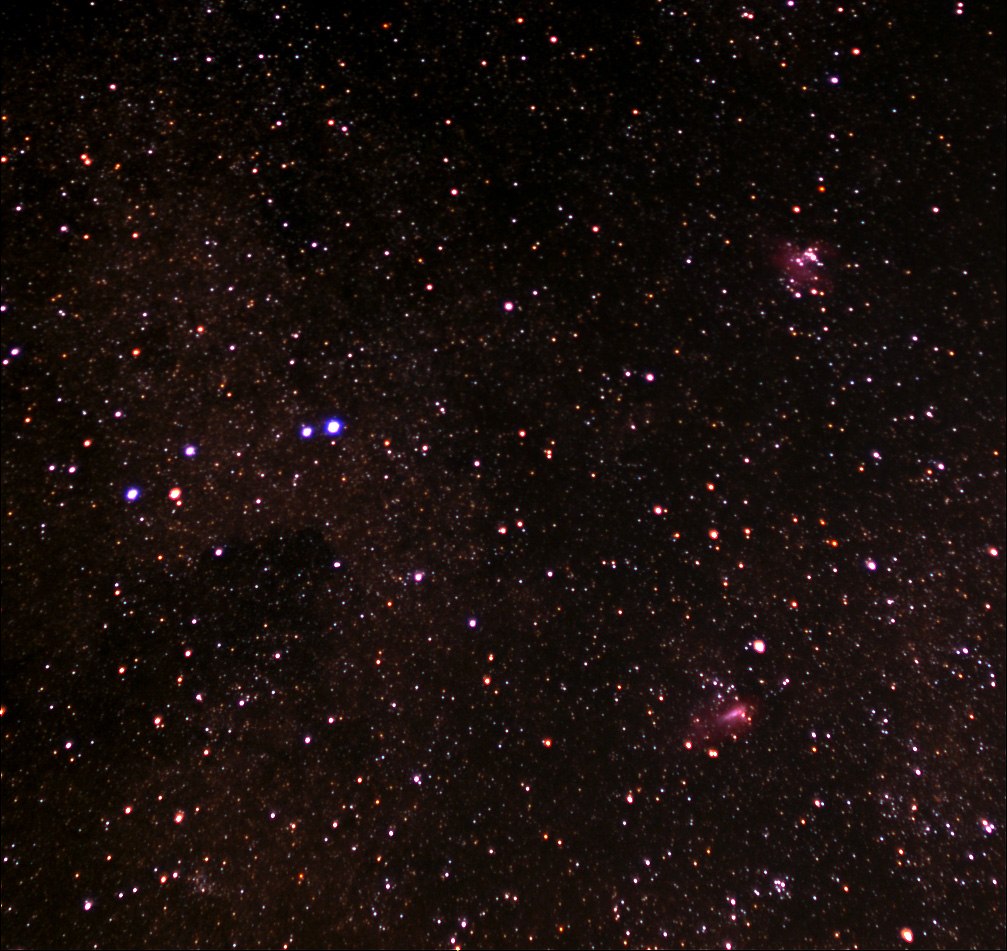
Eagle (top) and Omega nebulas:

Full image: http://www.webastro.net/upload/images/1 ... 641030.jpg

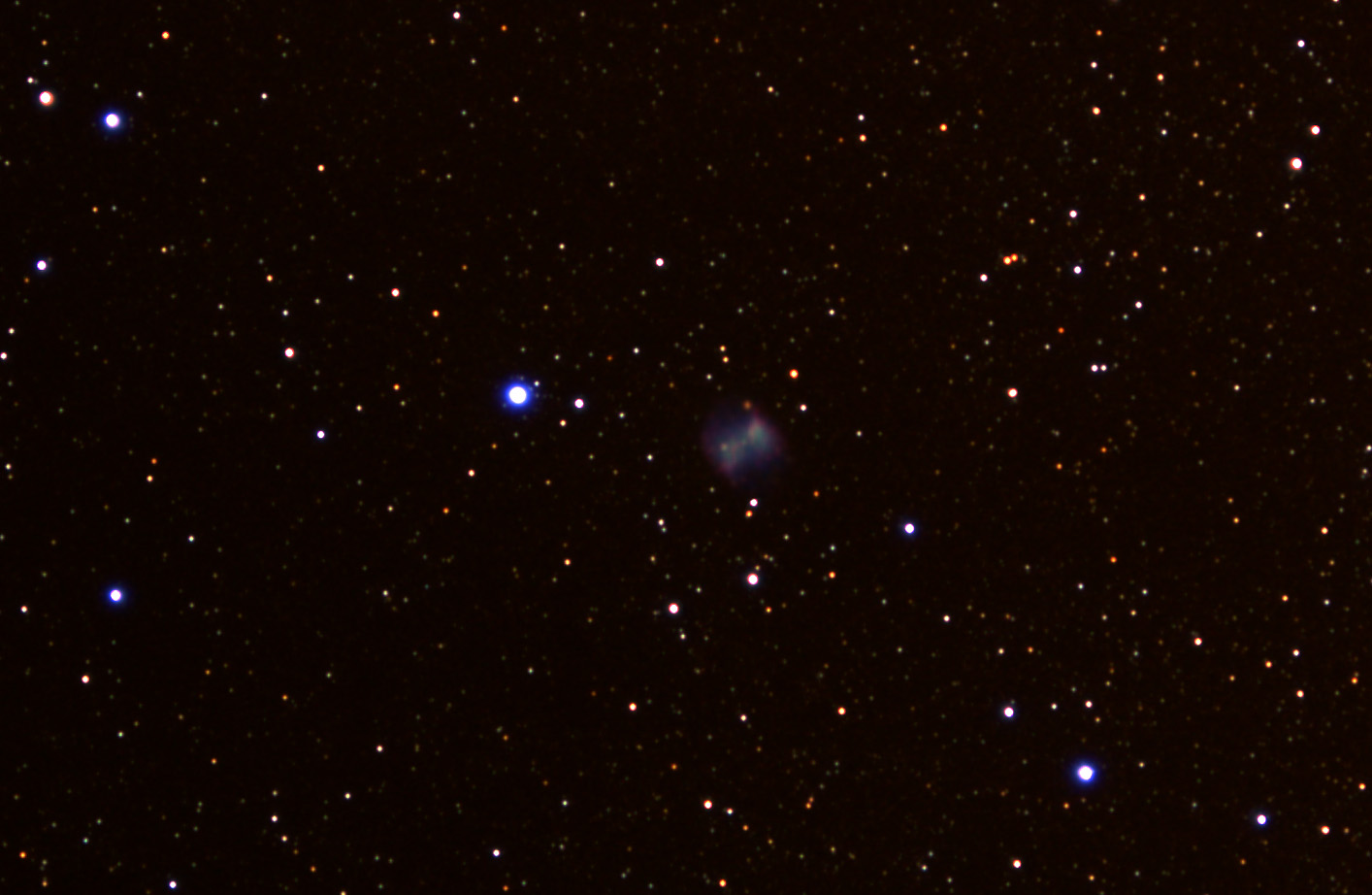
M27 planetary nebula:

Full image: http://www.webastro.net/upload/images/1 ... 886153.jpg
Are you using mirror-lockup? Some DSLR's disable mirror lockup on bulb, some don't. If you lockup and use a remote release, you won't have to do the self-timer bit, which prevents some of the lower frequency vibrations that can creep in over touching the camera repeatedly.

I use a USB bulb release. It's just a small mpu and darlington pair effectively hitting the remote release pins.

But your alignment is obviously very good on that EQ2. Those are tough to get tracking that well without hypertuning!
Unfortunately, the D70s does not have a mirror lock.
When shooting long exposures mounted on the telescope, I need to hold a dark screen in front of the tube, start the Bulb, wait a few seconds, remove the screen, expose for the desired time then set the screen again before stopping the Bulb. Tedious, but effective 😉
You might like to check this gallery and links :

http://www.newscientist.com : The star photographers who captured the night sky
10:06 10 September 2010

The competition to be Astronomy Photographer of the Year 2010 was fierce. We reveal the shots that the Royal Observatory in Greenwich, London, deemed most stellar: capturing eclipses, the Northern Lights, the dim and distant Veil nebula, and more.

All winning images are on show at the Royal Observatory from today. The exhibition is free of charge and runs until February.
Sample :


Orion Deep Wide Field

Orion is probably one of the best-known constellations in our night sky – but this picture, taken by Rogelio Bernal Andreo, shows it as few will have seen it before. As a result, it was crowned winner of the Deep Space category.

The panorama shows Orion's belt clearly – it's the three bright stars on the left of the picture. But you can also see the Horsehead nebula and the Orion nebula.

These clouds of gas, dust and other materials are slowly cooling and condensing – and may eventually form new stars and planets.

(Image: Rogelio Bernal Andreo)

This photograph by Martin Pugh shows the Veil nebula, in the constellation Cygnus, which is the faint remnant of a supernova that exploded over 5000 years ago.

When the supernova exploded, the mass of expanding gases would probably have appeared as bright in the sky as a crescent moon – easily visible with the naked eye.

Now it's notoriously difficult to capture an image of the Veil, so enjoy it while you can. The judges certainly did – this photograph was declared runner-up in the Deep Space category.

(Image: Martin Pugh)

http://www.nmm.ac.uk : Competition winner – Astronomy Photographer of the Year 2010


Who knows, perhaps next year one of you .. ? 😎
That Orion photograph is amazing. And it was done with "only" about $25,000 in hardware. And some pretty decent skies during our winter months... Regardless - that's such a bargain. And he was really gentle with the photoshop too. Like to see a higher res image to see just how much 'shopping went into it.
Amazing is the word! :shock:

Thanks for the info 🙂
A few moon images from me on International Observe the Moon day.

Ashford, Kent, United Kingdom. All times are UTC / GMT, not CET / BST.

There was some high thin cirrus cloud present.


Andrew Brown.
I was featured in the Front Page articles section. 😀

International Observe the Moon night.

It is a great initiative to get the population aware that there is a wonderful world, solar system & universe surrounding them.

Great to see that my work is appreciated in that way. :mrgreen: :mrgreen: :mrgreen:

Andrew Brown.
They are pretty pictures (and on my disk), very well deserved 😎
Also here :
www.msnbc.msn.com : Skywatchers savor views of the moon around the world
(it's SDC copy, but anyway 🙂 )

Andrew Brown
British skywatcher Andrew Brown captured this picture of the moon during International Observe the Moon Night.

Original thread: https://forums.space.com/threads/various-images-i-have-just-taken.23777/